五神館 (Goshinkan) translates to the “House of the Five Spirits”. The character 五 (Go) encapsulates the five fundamental elements of the school: Earth, Water, Fire, Wind, and Emptiness. The character 神 (Shin) represents the spirit, which is the internal principle that animates physical form and directs every action. The character 館 (Kan) signifies the house, serving as the sanctuary where the martial path is preserved, rigorously studied, and faithfully transmitted. The complete name, 五神館 合気術 (Goshinkan Aikijutsu), reflects an art based on “Aiki”—the principle of joining with the opponent. The character 気 (Ki) encompasses breath, internal state, and martial intention. The character 術 (Jutsu) signifies the art, method, and transmitted technique. In Goshinkan Aikijutsu, force is never met with brute force; instead, an attack is joined, redirected, and brought under total control. The technical heart of the system relies on unbalancing (kuzushi), distance (ma-ai), breath control (kokyu), center management, joint mechanics, throws, and pins.
Aikijutsu Goshinkan

Keimyaku
The Lineage and Historical Roots
The lineage of transmission—known formally within the school as Keimyaku—does not serve the vanity, ego, or social prestige of its practitioners. Rather, it is recognized as a profound and solemn obligation. Its primary institutional function is to meticulously preserve the historical source of the school, the exact forms of its physical transmission, its authentic internal spirit, and the explicit legal right to instruct. It establishes an absolute hierarchy of responsibility, ensuring that the knowledge is protected from arbitrary distortion.
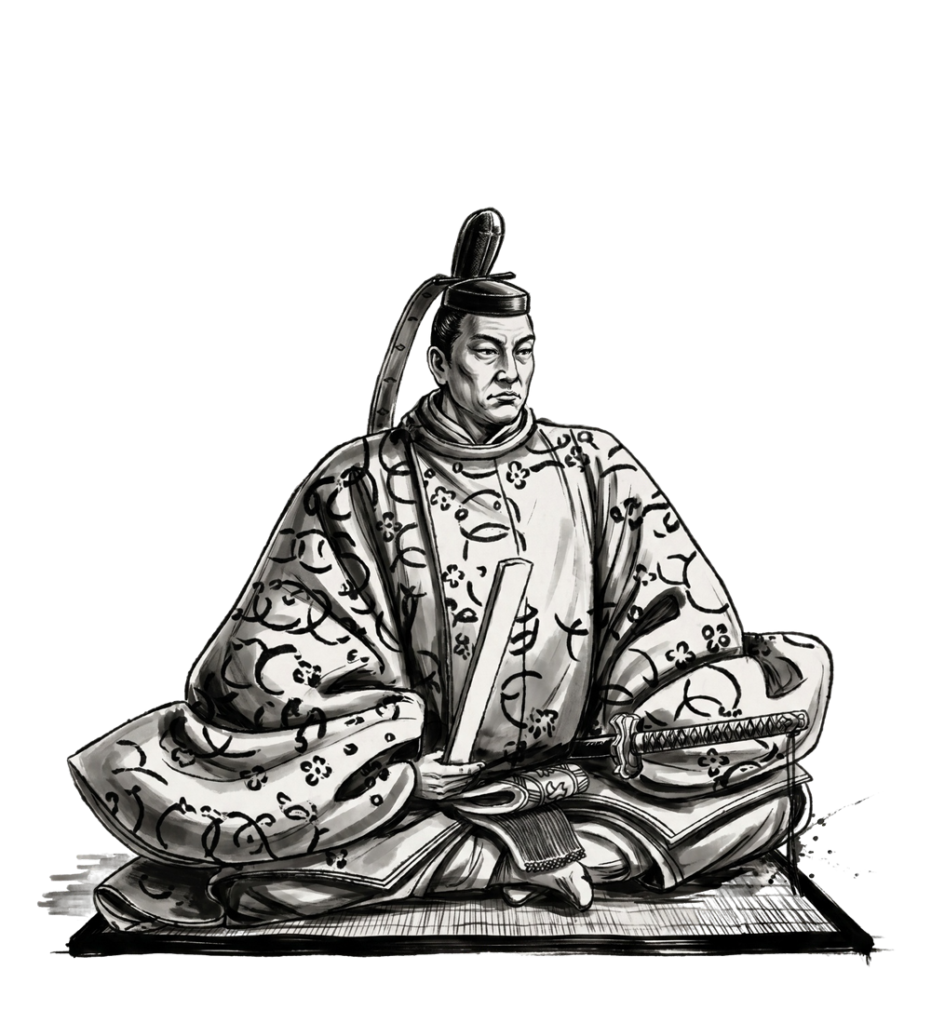
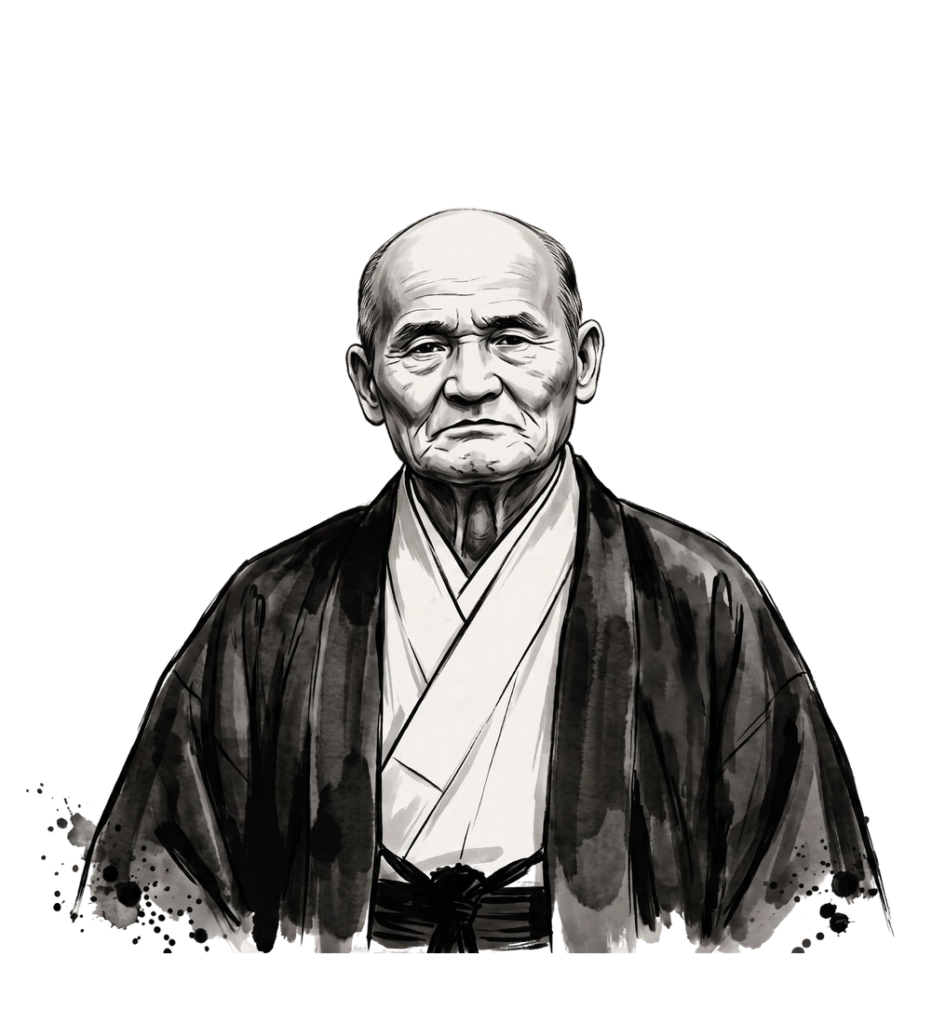
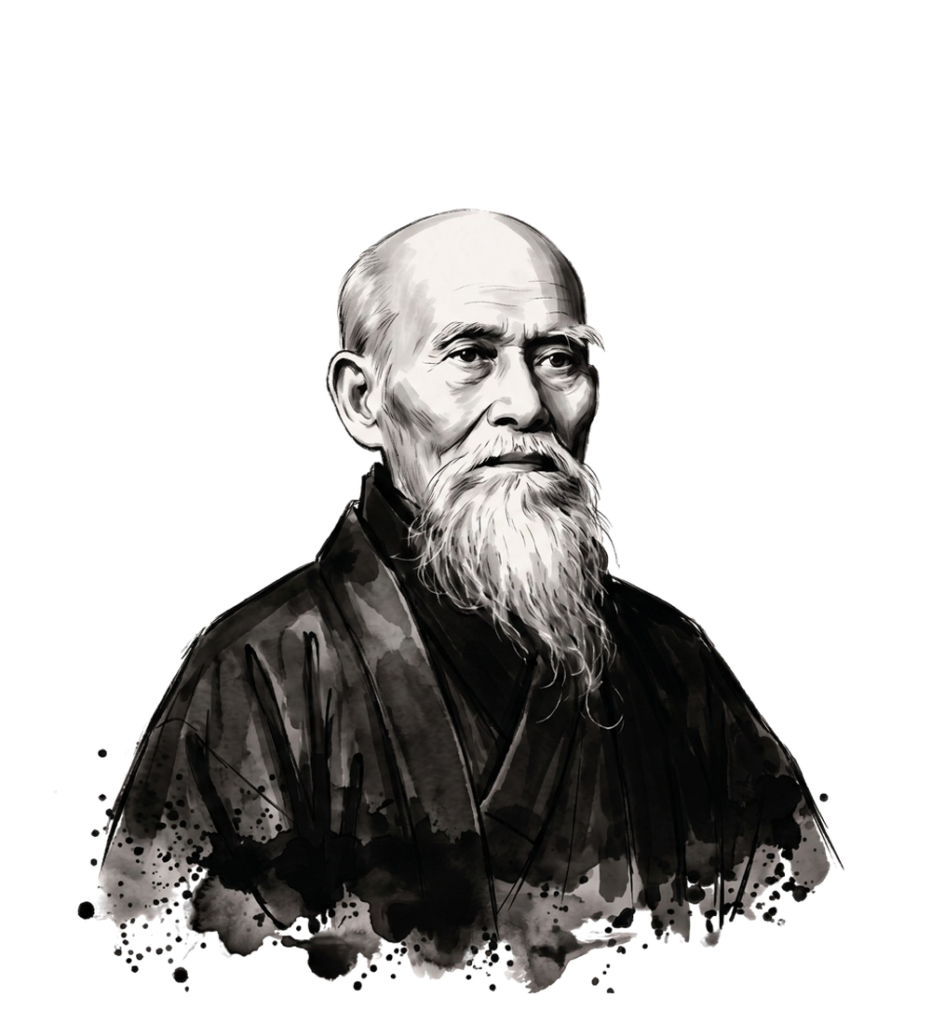
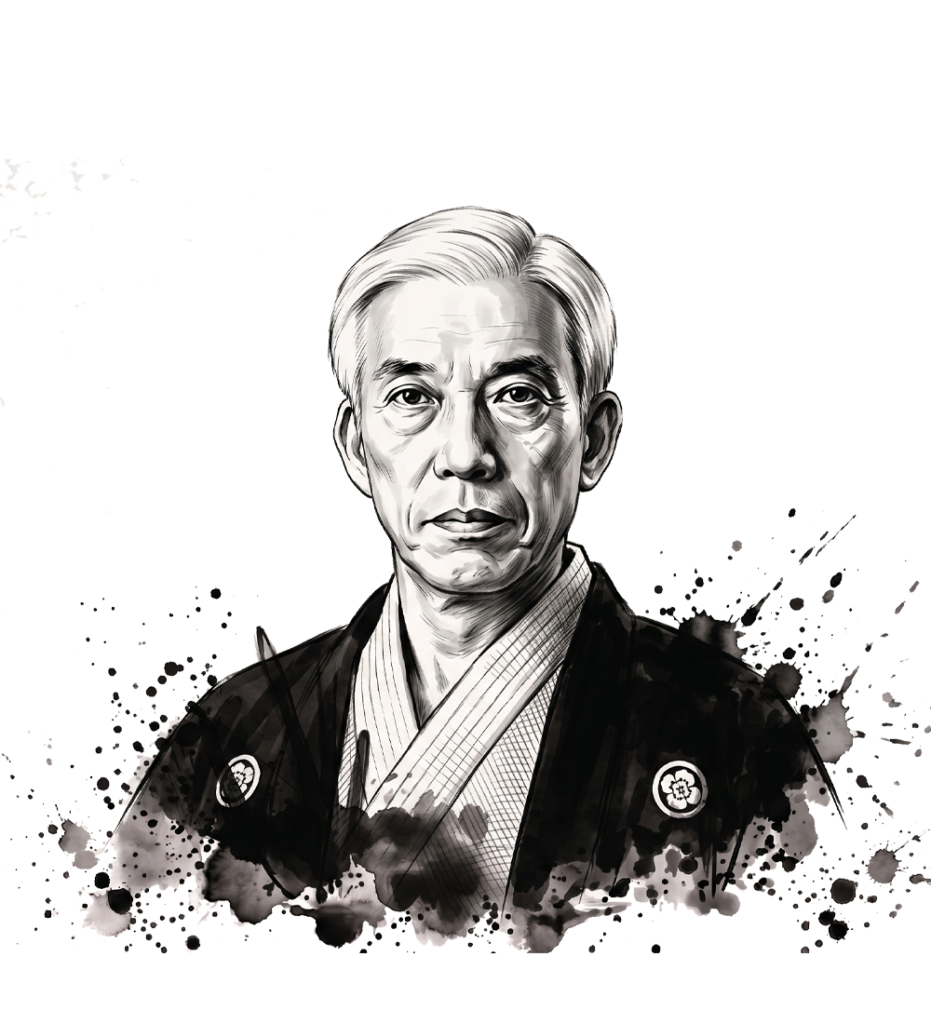
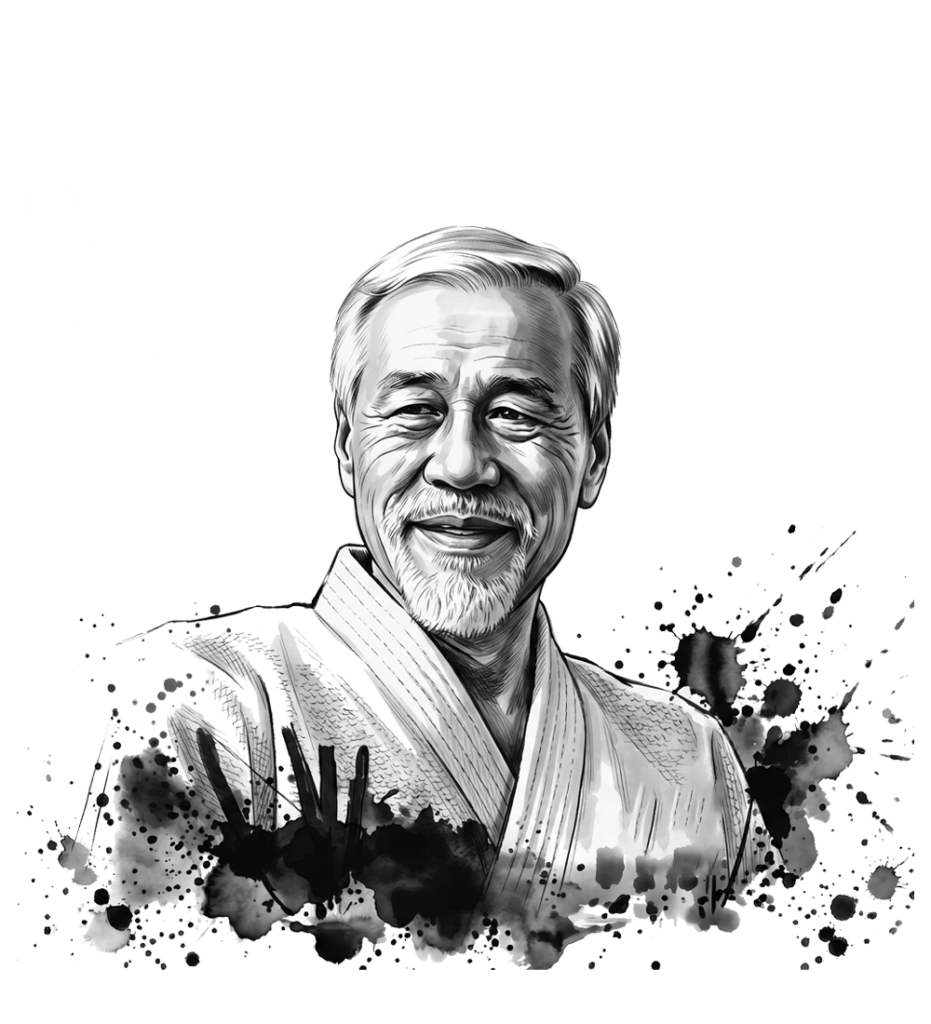
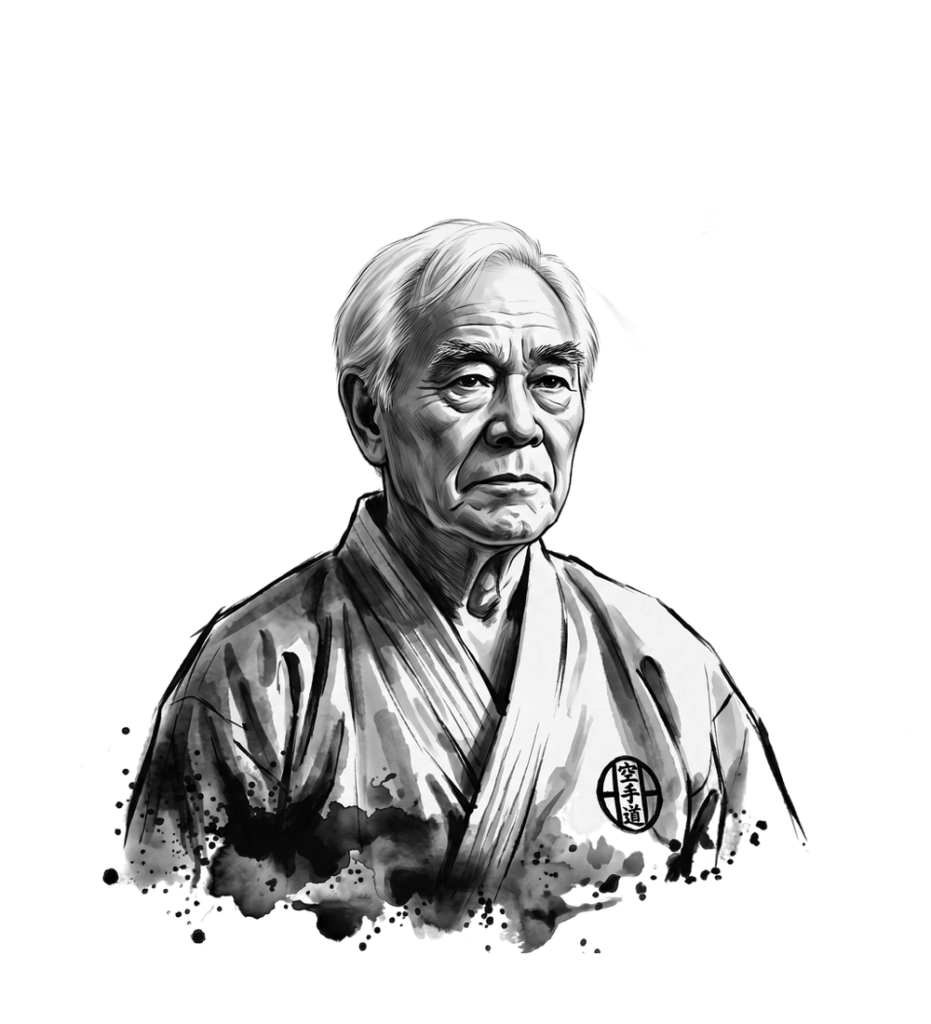
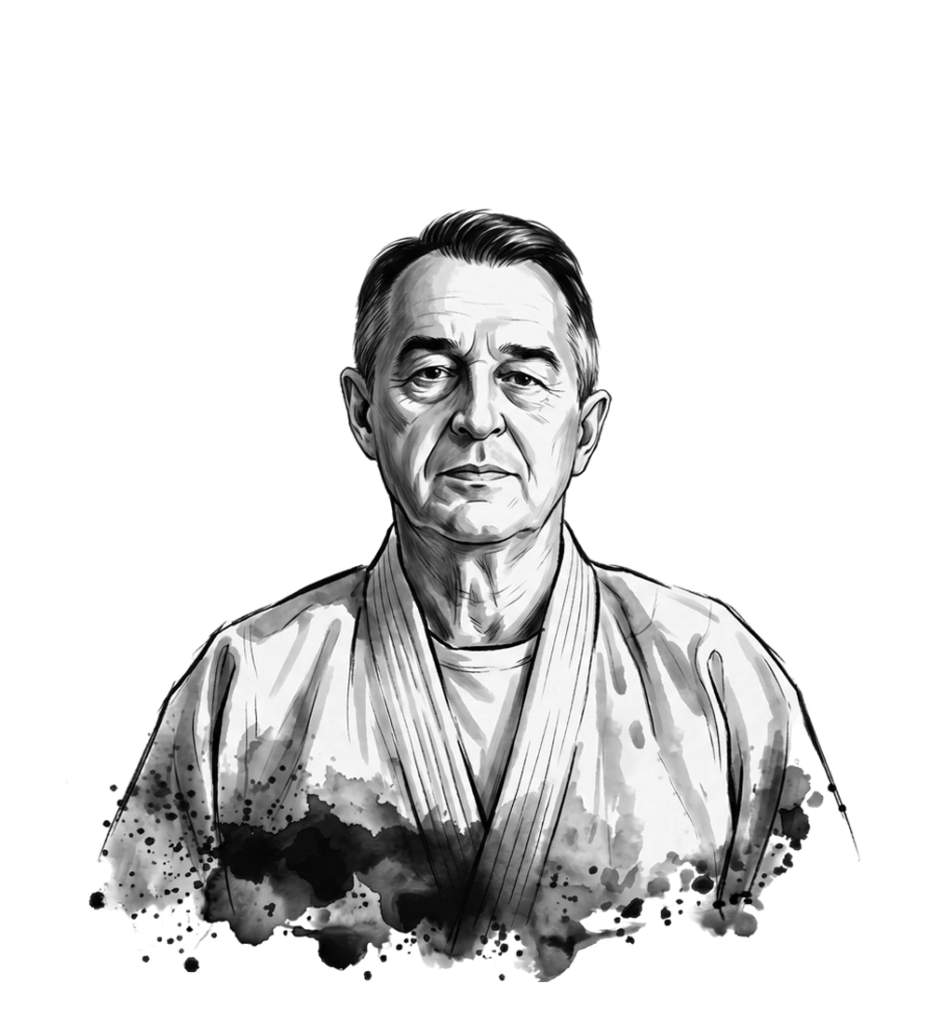
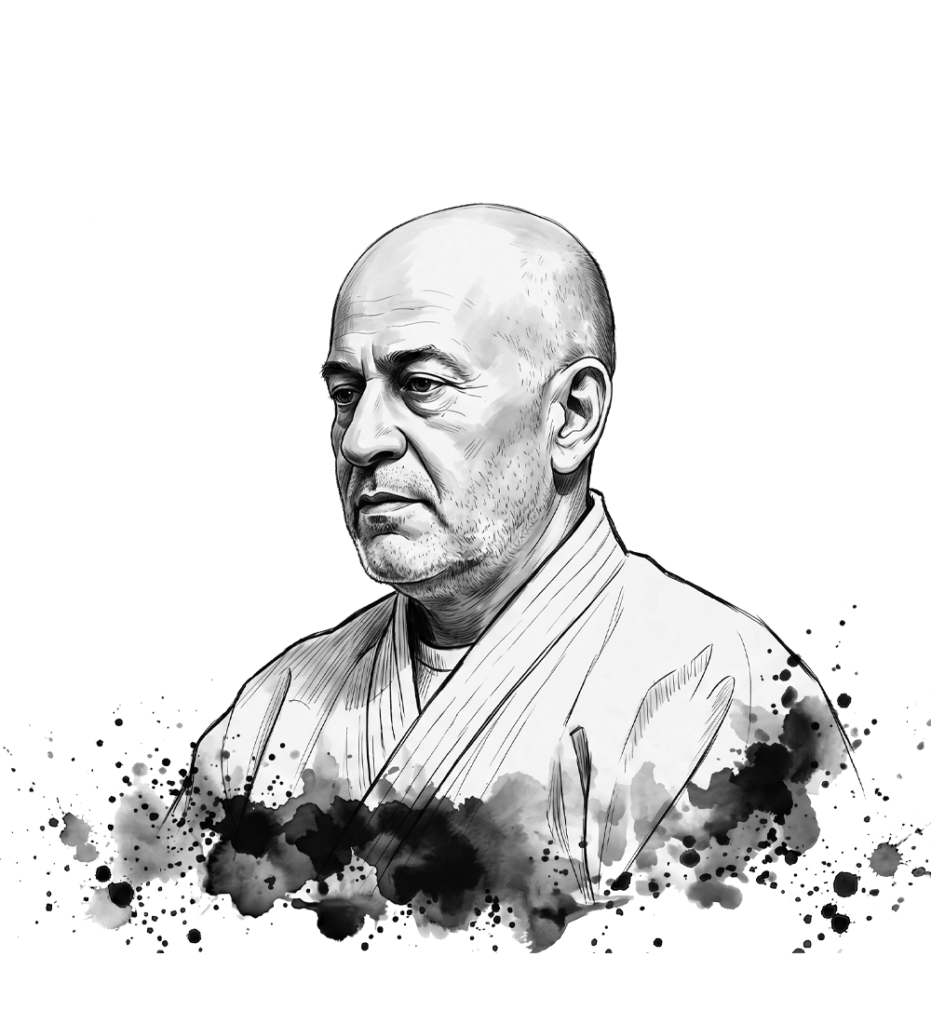
The Historical Pillars of Goshinkan
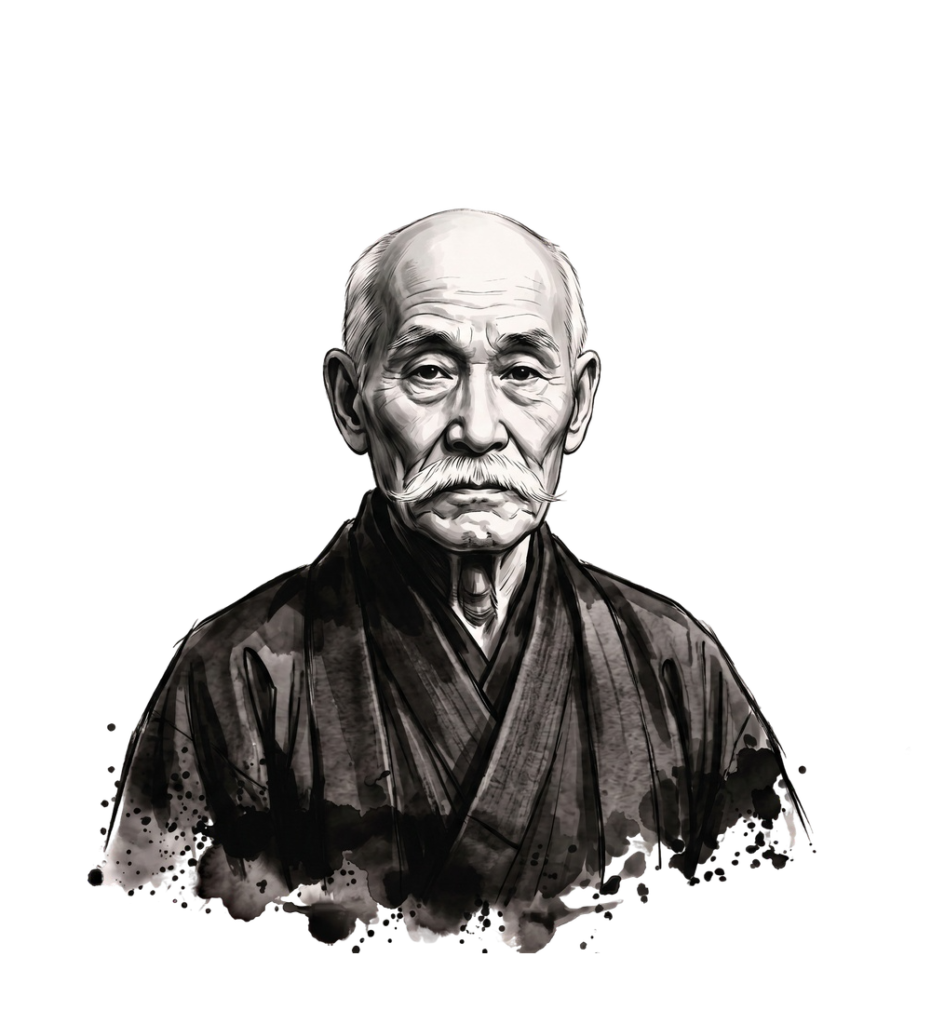
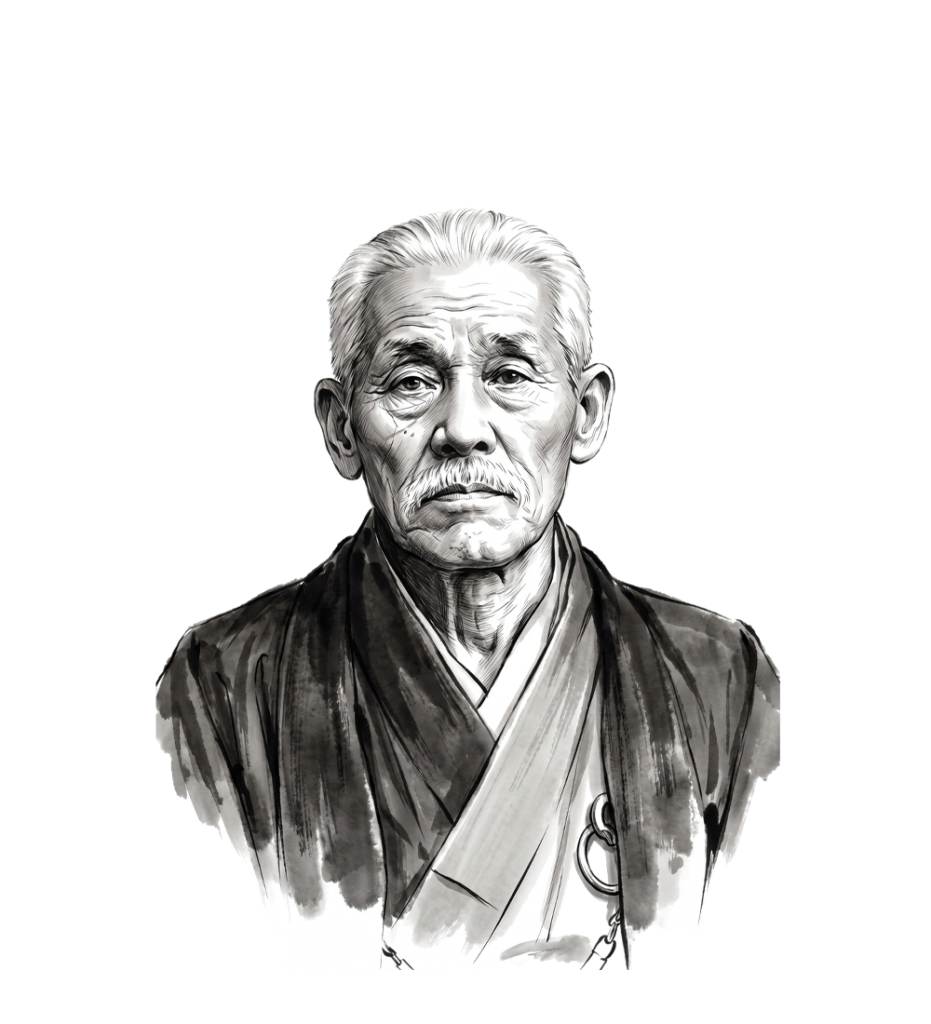
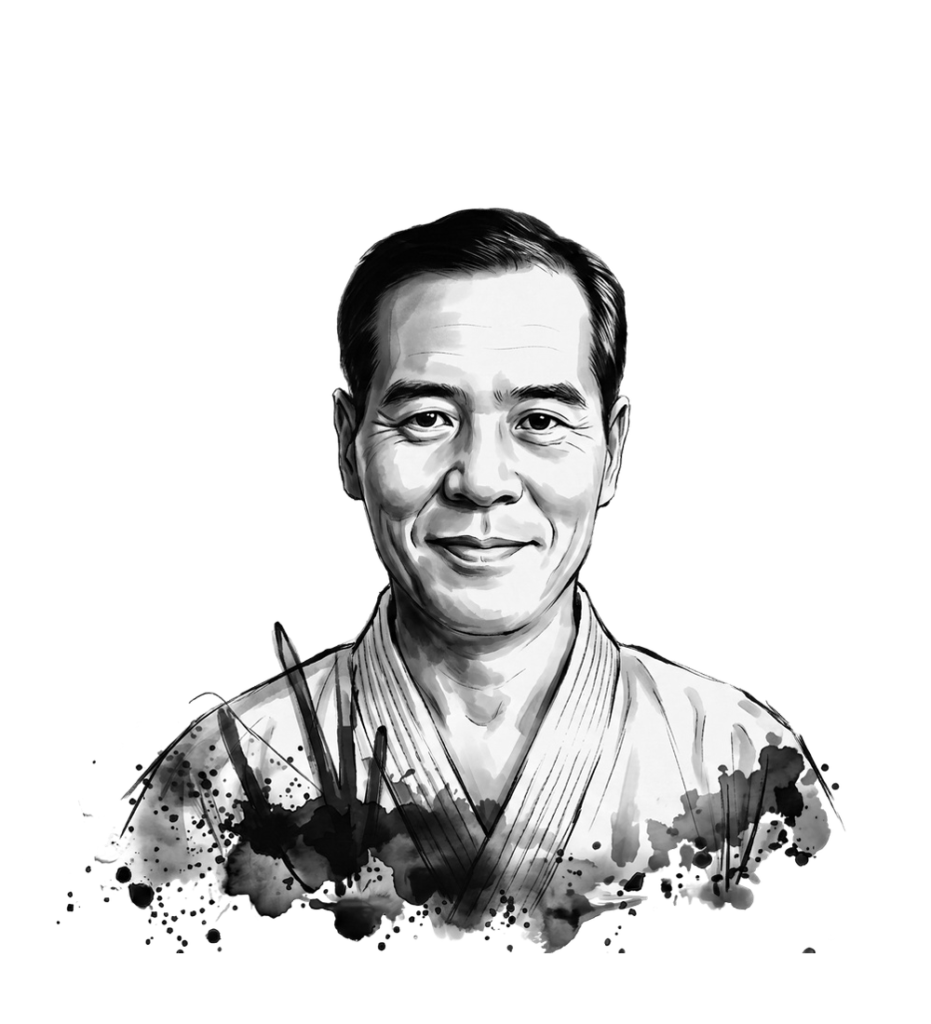
The foundation of this martial system does not rest upon a historical vacuum, nor is it a superficial compilation of techniques. It is built upon distinct, ancient pillars and the legacy of monumental martial figures whose influence shaped the core of Japanese budō. The ancient memory of classical Aikijutsu traces its origins back to the Heian period and the warrior Shinra Saburo Minamoto-no Yoshimitsu. He is recognized in martial history for pioneering the early conceptualization of close-quarters combat, focusing intricately on the manipulation of center, angle, balance, and physical control over mere brute strength. This ancestral warrior current flowed directly into Daito-ryu Aikijujutsu, which was structurally formalized by the legendary Takeda Sokaku. Takeda transitioned the strictly closed, secretive martial heritage of his clan into a public instructional system, laying the groundwork for modern aiki arts.
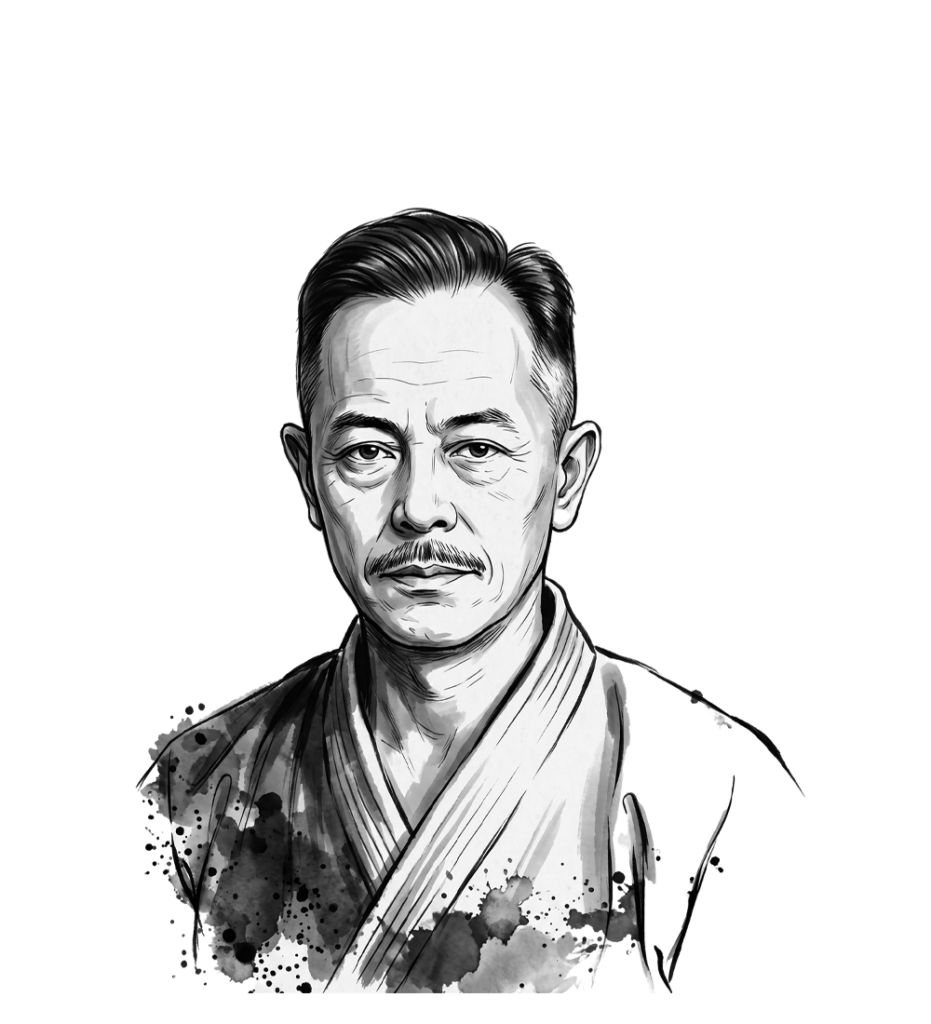
From this lineage emerged Ueshiba Morihei, a direct student of Takeda and the revered founder of Aikido. His revolutionary path established the philosophy that technique must never serve blind fury; instead, it must facilitate the purification of the heart, the preservation of the spirit, and the resolution of conflict without crude, destructive collision. Concurrently, the technical discipline and structural rigidity of Goshinkan are deeply informed by Shito-ryu Karatedo. Founded by Mabuni Kenwa, this school masterfully synthesized the formidable martial legacies of his two primary teachers, Itosu Anko and Higaonna Kanryo. This lineage instilled a deep reverence for formal alignment, precise impact, and unwavering physical discipline.
The Founder: Dr. Simon Darakhvelidze
These profound and diverse historical currents were systematically synthesized by the Founder of Goshinkan, Dr. Simon Darakhvelidze. As a professional physician and orthopedic traumatologist, he brought a uniquely scientific and anatomical perspective to the martial arts. He viewed technique not just as movement, but through the empirical lens of biomechanics, skeletal leverage, joint limitations, and pedagogical safety. Dr. Darakhvelidze initiated his open instructional path on September 10, 1977, by establishing the first formal karatedo group in the city of Sukhumi. His foundational technical mastery was forged through rigorous and uncompromising training in Shito-ryu under the guidance of Sato Tetsuo Sensei and Iwata Manzo Sensei.
Seeking a deeper understanding of blending, center control, and the redirection of adversarial force, he embarked on an exhaustive study of the aiki arts. His dedicated journey in Aikido was marked by earning his shodan under Ralph Singer Sensei from Aikido Shobukan, representing the esteemed Saotome Mitsugi Sensei line. To further refine his understanding of the art’s evolving dynamics, Dr. Darakhvelidze actively studied and refined his technique at seminars conducted by Ueshiba Moriteru Doshu. Merging his immense medical expertise with this unyielding warrior discipline and highly diverse technical background, he forged a completely autonomous martial framework. The result was the birth of Aikijutsu Goshinkan—a system characterized by structural safety, mechanical precision, and an unwavering commitment to the cultivation of human dignity.
The Current Leadership and the Continuation of the Path
Following the Founder’s passing in May 2025, the institutional responsibility for the school transitioned to ensure the path would continue unbroken. The duty of safeguarding the school’s name, its strict instructional program, and its authentic transmission was formally passed to the current Head of the School, Sōke Irakli Gunia.

The Purpose of Goshinkan
The institutional purpose of Goshinkan extends far beyond the mere acquisition of combative techniques or the superficial collection of martial movements. The school exists fundamentally to protect life, cultivate human dignity, and preserve the authentic transmission of its Founder. What is transmitted within the dojo is a comprehensive path of budō, wherein physical mechanics, structured kata, somatic alignment, breath regulation, cognitive clarity, and moral fortitude are forged together into a single, indivisible teaching. The ultimate aim of the institution is to systematically safeguard the very foundation of the school: its historical name, its unyielding tradition, the enduring spirit of the Founder, the precise pathways of its technique, the ethical standards of its practitioners, and the strict pedagogical order of instruction.
It is an absolute requisite within the tradition that before mastering any martial technique, the practitioner must first achieve mastery over themselves. The doctrine explicitly dictates that a robust physical form devoid of internal restraint does not constitute the true martial path. Likewise, precise technical execution devoid of heart, raw courage devoid of human dignity, and acquired knowledge devoid of loyalty to the lineage are fundamentally contrary to the teachings of the school. Through rigorous and sustained physical discipline, the practitioner undergoes a profound internal and external transformation: their physical body is fortified, their combative movement is purified of excess, their consciousness is intensely centralized, and their moral character is unequivocally straightened. The student learns to study form not merely for the sake of physical repetition, but to discover universal principles, entering the path to foster inner growth rather than seeking superficial fame or external validation.
The sacred transmission of the Founder is safeguarded not through empty words of veneration, but through correct, living practice. This living practice is characterized by uncompromising technical purity, profound respect for one’s training partner, unwavering loyalty to the instructor, absolute dojo discipline, and a resolute refusal to employ physical force without absolute necessity. The power and capability cultivated within the walls of the dojo are never to be utilized for intimidation, suppression, or the assertion of personal superiority over those who are weaker. Instead, true martial strength in Goshinkan is defined by the capacity to halt violence without unnecessary cruelty, to maintain boundaries safely, and to stand firmly in the defense of life and a just order.
Ultimately, Goshinkan seeks to forge a strong, composed, and highly disciplined individual capable of maintaining their center amidst the chaos of conflict and the intense pressures of daily life. Such an individual understands that the knowledge they have received is not a personal possession to be exploited. A true practitioner of Goshinkan does not decorate themselves with their martial capability to inflate their ego or seek the admiration of others. Rather, they bear their technique, their strength, and their understanding as a profound moral duty, ensuring that the legacy of the school remains an unwavering instrument of protection, honor, and unyielding human dignity.

© 2026 Aikijutsu Goshinkan